Ike
What They Took From Me
Colonialism, Loss & the Weight of a Fractured Identity
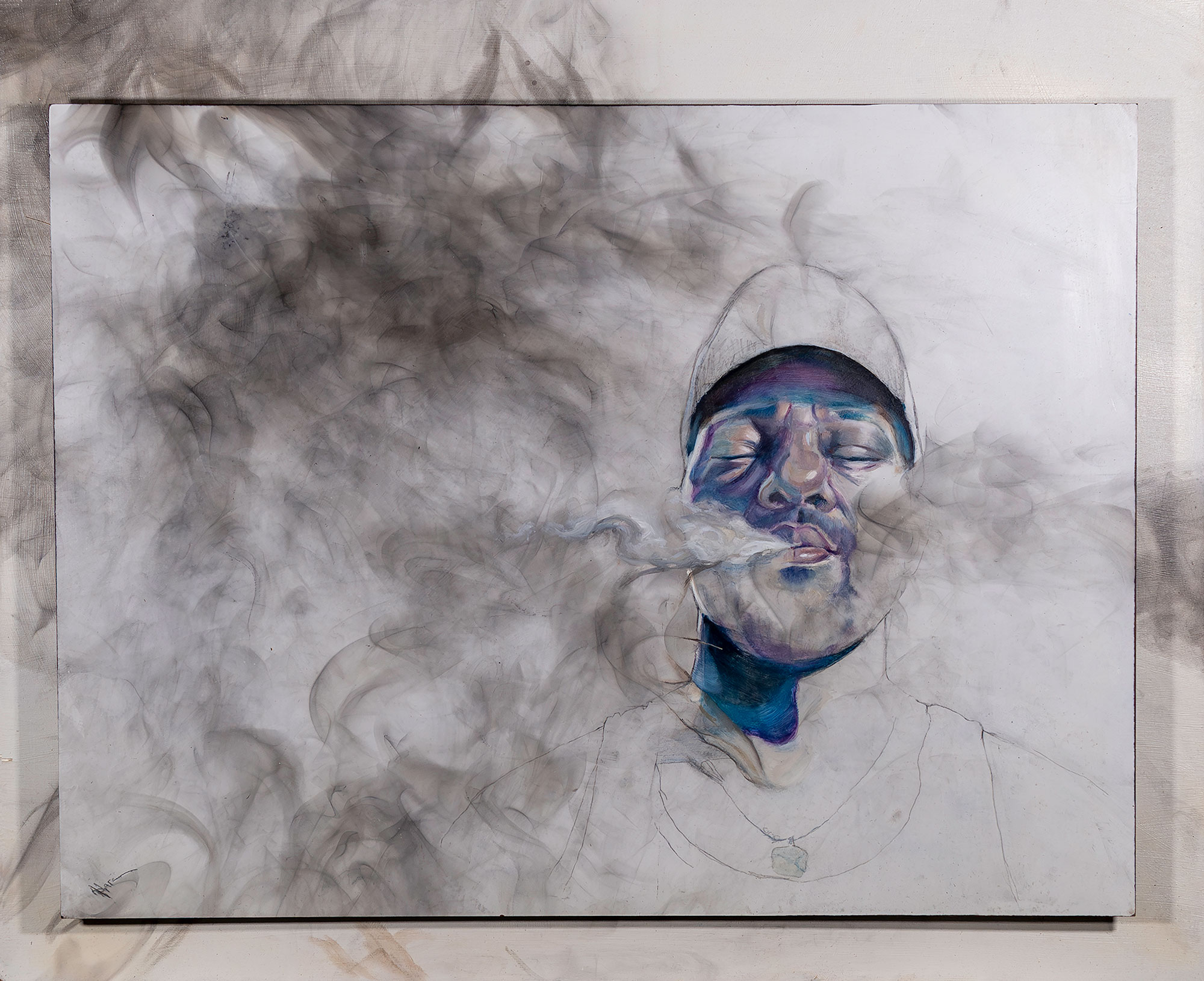
I am Puerto Rican. I am Hawaiian. I am Japanese. I am African American. Four bloodlines, four histories — and in every single one of them, someone came and took something. That is not metaphor. That is my inheritance.
Colonialism is not a chapter in a textbook for me. It is the reason I grew up not knowing what language my great-grandparents whispered to each other. It is the reason certain branches of my family tree are missing names, missing faces, missing roots. It is the silence at the dinner table when certain questions were asked — and the way those questions eventually stopped being asked at all. You learn, early, that some losses are too deep to keep touching.
I carry four histories of dispossession in a single body. That weight is real.
Puerto Rico was colonized by Spain, then handed to the United States like property after a war it had no part in. My Puerto Rican family inherited a kind of in-between citizenship — American enough to be drafted, not American enough to vote for president. A culture that survived Spanish suppression found itself navigating English-only schools, economic dependency, and the quiet erasure that comes when the world treats your island as a territory rather than a home. I felt that erasure growing up. The way people looked at me when I said where my family was from. The way my accent was something to be embarrassed about, not celebrated.
My Hawaiian roots carry a different wound, no less deep. The Kingdom of Hawaii was a sovereign nation until American businessmen and military forces overthrew its queen in 1893 — an act the United States government formally apologized for one hundred years later. One hundred years. My ancestors watched their land be carved into plantations, their language banned from schools, their culture repackaged as tourism. What colonialism did to Hawaii was theft with a smile — paradise for the visitor, dispossession
For the people. I grew up feeling the beauty of that heritage and the grief of what was done to it at the same time.
My Japanese ancestry carries the mark of a different kind of American policy: incarceration. During World War II, Japanese Americans — citizens, families, people who had built lives here — were forced into internment camps by executive order. Property was lost. Businesses vanished. Dignity was stripped in the name of national security. My family did not speak about it much. That silence was its own testimony. Generational trauma does not always arrive as anger. Sometimes it arrives as a closed door, a reluctance to trust, a learned smallness that gets passed down without anyone meaning to pass it.
Silence is not healing. It is grief with nowhere to go. And then there is my African American blood — the history that needs no introduction and yet is still so often misunderstood. The transatlantic slave trade. Reconstruction betrayed. Jim Crow. Redlining. Mass incarceration. Every generation of my Black ancestors faced a system designed to limit them, and every generation found a way to survive it anyway. But survival is not the same as thriving. The economic inequality I have faced, the discrimination I have encountered, the way certain rooms looked at me before I even opened my mouth — that is colonialism's living ledger.
What strikes me most, carrying all four of these histories, is how alone it can feel to be this many things at once. There is no single community that holds all of me. I have had to build my identity the way you build a home after a fire — carefully, from what remains, with the full knowledge of what was lost. That is not weakness. That is the specific kind of strength that colonialism forges in the people it tried to break.
I believe in equality because I have felt inequality in my bones. I believe in diversity because I am diversity — not as a concept, but as a lived, complicated, sometimes painful reality. I write this not to perform suffering, but to name it honestly. Because you cannot heal what you refuse to see.